
Vaginal Dryness & Atrophy: Symptoms, HRT & Natural Fixes
-
By Tyesha Lewis
An honest, warm, no-nonsense guide to vaginal atrophy treatment. Addressing what it feels like, what actually helps, and the natural ingredients worth knowing about.
There are parts of menopause that get talked about endlessly hot flushes, mood changes, sleep problems. And then there are the parts that get whispered about, if they get mentioned at all. Vaginal atrophy is one of them. And that silence? It’s doing women real harm.
It’s estimated that up to 50% of postmenopausal women experience symptoms of vaginal atrophy yet research suggests fewer than a quarter seek help for it. Some don’t know it’s a medical condition. Some feel embarrassed. Some were just never told it was coming.
So let’s change that. Here in plain, gentle language is everything you need to know.
What Is Vaginal Atrophy?
Vaginal atrophy, now more commonly referred to by doctors as Genitourinary Syndrome of Menopause (GSM), is what happens when falling oestrogen levels cause the vaginal lining to become thinner, drier, and less elastic. It’s not just a vaginal issue either. It can affect the urethra and bladder too, which is why the name was updated to reflect the wider picture.
Unlike hot flushes, which often improve with time, vaginal atrophy tends to get worse without treatment. That’s the important thing. This isn’t something you just wait out but the good news is, it responds beautifully to the right care.
What Does Vaginal Atrophy Feel Like?
Women describe it in so many different ways, and all of them are valid. Here’s what’s most commonly reported:
“I thought I just needed to use more lubricant. I didn’t know there was a name for what was happening to me or that I could actually treat it.“
Can Vaginal Atrophy Cause Bleeding?
Yes, and this is one that understandably worries women. When vaginal tissue becomes thin and fragile, it can bleed with very little provocation, after sex, after a smear test, or sometimes seemingly out of nowhere.
However, this is important. Any postmenopausal bleeding should always be checked by your GP to rule out other causes. Vaginal atrophy is a very common reason for postmenopausal bleeding, but it should never be assumed without professional assessment first. Please don’t wait.
Does HRT Help with Vaginal Dryness?
Yes, and it’s one of the most effective options available. There are two main routes:
- Systemic HRT (patches, gels, tablets taken for wider menopause symptoms) this helps the whole body, including the vagina, by raising oestrogen levels throughout the system.
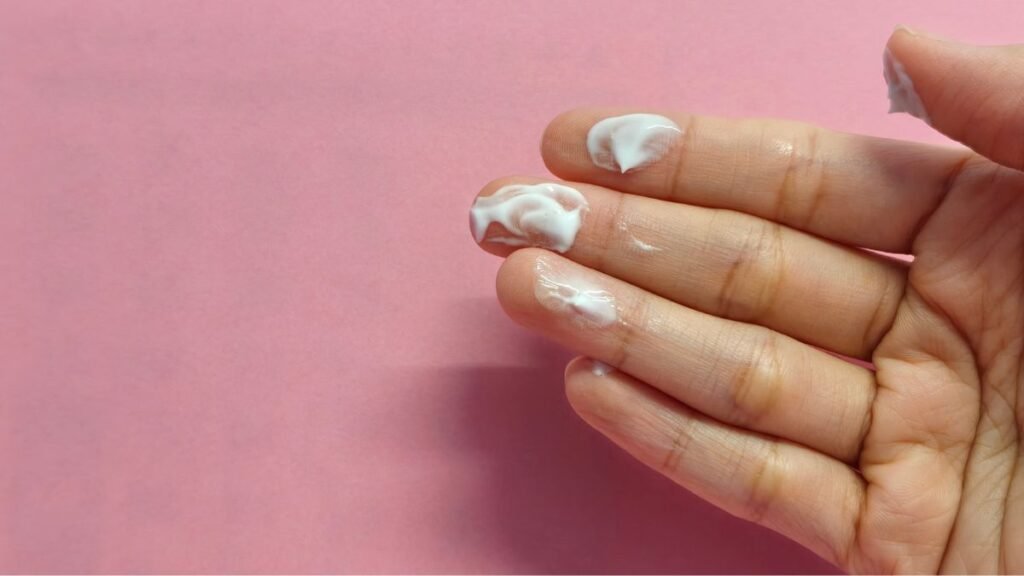
- Local vaginal oestrogen (creams, pessaries, rings inserted directly into the vagina), this targets the vaginal tissue specifically, with minimal absorption into the rest of the body. This is often recommended even for women who can’t take systemic HRT.
According to the British Menopause Society (2025), local vaginal oestrogen is safe, effective, and can be used long-term. Symptom relief is often felt within a few weeks, though full tissue restoration may take longer. Crucially, it needs to be continued to maintain the benefits.
If you’ve been avoiding asking about HRT because you’re not sure it’s for you, please have that conversation with your GP. Local vaginal oestrogen in particular has a very reassuring safety profile for most women.
Natural Remedies for Vaginal Atrophy: Clean Ingredients That Help
If you’d prefer to start with natural options, or want to use them alongside medical treatment these are the most evidence-supported, clean ingredients worth knowing about:
✦ Sea Buckthorn Oil
This is the one with the strongest clinical backing. A randomised, double-blind, placebo-controlled study published in Maturitas found that oral sea buckthorn oil significantly improved vaginal tissue integrity in postmenopausal women. Rich in omega-7 fatty acids, it helps maintain the health of mucous membranes, including vaginal tissue. Take it as a supplement (around 3g daily) rather than applying directly.
✦ Vitamin E
Research published in the Iranian Journal of Nursing and Midwifery Research found that vitamin E applied topically to vaginal tissue reduced dryness, irritation, and pain during sex. Look for vitamin E suppositories or pure vitamin E oil ingredients that should be clean and fragrance-free. Avoid products with parabens, glycerin, or propylene glycol.
✦ Coconut Oil (Extra-Virgin)
A clean, natural moisturiser and lubricant that many gynaecologists support for vaginal dryness. Extra-virgin coconut oil is a moisturiser, hydrator, and barrier protector in one.
Important note: oils break down latex condoms, so use with care if that’s relevant to you.
✦ Hyaluronic Acid (Vaginal)
You’ll know hyaluronic acid from your skincare shelf and it works the same way vaginally. A 2011 study found vaginal hyaluronic acid tablets produced results comparable to low-dose oestrogen in improving atrophy symptoms. Available as intimate moisturisers and gels look for formulas with no synthetic fragrances or irritants.
✦ Omega-3 Fatty Acids
Omega-3s support healthy tissue and have anti-inflammatory properties that benefit vaginal health from the inside out. Sources include oily fish, flaxseed oil, chia seeds, and high-quality fish oil supplements. As always, look for supplements free from unnecessary fillers and additives.
✦ Vitamin D
A 2023 review found that vitamin D may support vaginal health and reduce atrophy symptoms, particularly in women who are deficient which many UK women are, especially over winter. A simple blood test through your GP can check your levels.
💡 Clean ingredient rule of thumb: For anything applied intimately, look for products that are fragrance-free, paraben-free, and pH-balanced for intimate use. Your vaginal tissue is more absorbent than regular skin, what goes on it matters.
Frequently Asked Questions
Q: Can younger women get vaginal atrophy?
Yes. Breastfeeding, certain cancer treatments, surgical removal of the ovaries, and some hormonal contraceptives can all lower oestrogen and cause atrophy symptoms at any age. It’s not exclusively a postmenopausal condition.
Q: Will it get better on its own?
Unlike some menopause symptoms, vaginal atrophy tends to worsen over time without treatment. The good news is it responds very well to both medical and natural approaches but it does need attention rather than waiting.
Q: Does having sex help?
Regular sexual activity including solo does help maintain blood flow to the vaginal tissues and can slow atrophy progression. But it shouldn’t be painful. If it is, please address the underlying dryness first with a lubricant or moisturiser, and speak to your GP.
Q: Can I use vaginal oestrogen if I’ve had breast cancer?
This is a nuanced area and decisions should always be made with your oncologist and GP together. Some women in this situation are offered low-dose vaginal oestrogen after careful assessment but it must be an individual, informed decision with your medical team.
Q: Where do I start if I think this is what I have?
Start with your GP. Tell them your symptoms honestly, all of them. You can also contact the Menopause Support helpline or visit menopausesupport.co.uk for trusted UK resources and guidance.
You Deserve to Feel Comfortable in Your Own Body
Vaginal atrophy is not something you should simply put up with. It doesn’t make you less vital, less sensual, or less you. It’s a physiological change as treatable as any other and you deserve access to the information and care that makes a real difference.
Whether you go the medical route, the natural route, or a thoughtful combination of both there is a path forward. And it starts with the simplest, most powerful thing is, talking about it.
Quick Reference: Your Natural Toolkit
- Sea buckthorn oil (oral supplement) — strongest clinical evidence for vaginal tissue health
- Vitamin E (topical) — reduces dryness and irritation; use fragrance-free only
- Extra-virgin coconut oil — natural moisturiser and lubricant; latex-incompatible
- Hyaluronic acid (intimate gel/tablet) — comparable to low-dose oestrogen in some studies
- Omega-3s — from oily fish, flaxseed, or a quality supplement
- Vitamin D — get levels checked; supplement if deficient
- Local vaginal oestrogen (medical) — highly effective, safe for most women; discuss with your GP
Sources: British Menopause Society Consensus Statement (2025) | NHS | Cleveland Clinic | Maturitas Journal (Sea Buckthorn Study) | Iranian Journal of Nursing & Midwifery Research (Vitamin E) | Healthline (2025) | NICE Menopause Guideline (2024)
This blog is for informational purposes only and does not constitute medical advice. Please consult your GP or a qualified healthcare professional for personal diagnosis and treatment. Any postmenopausal bleeding should always be assessed by a doctor.
This post may contain affiliate links. If you purchase through them, I may earn a small commission at no extra cost to you. Thank you for supporting SOLEILRA.
#VaginalAtrophy #MenopauseHealth #VaginalDryness #MenopauseSupport #WomensHealth #NaturalRemedies #MenopauseRelief #HRT #IntimateHealth #WomenOver40 #MenopauseWellness #SOLEILRA