
Why Do I Look Pregnant During Menopause? Causes, Relief & Natural Remedies
-
By Tyesha Lewis
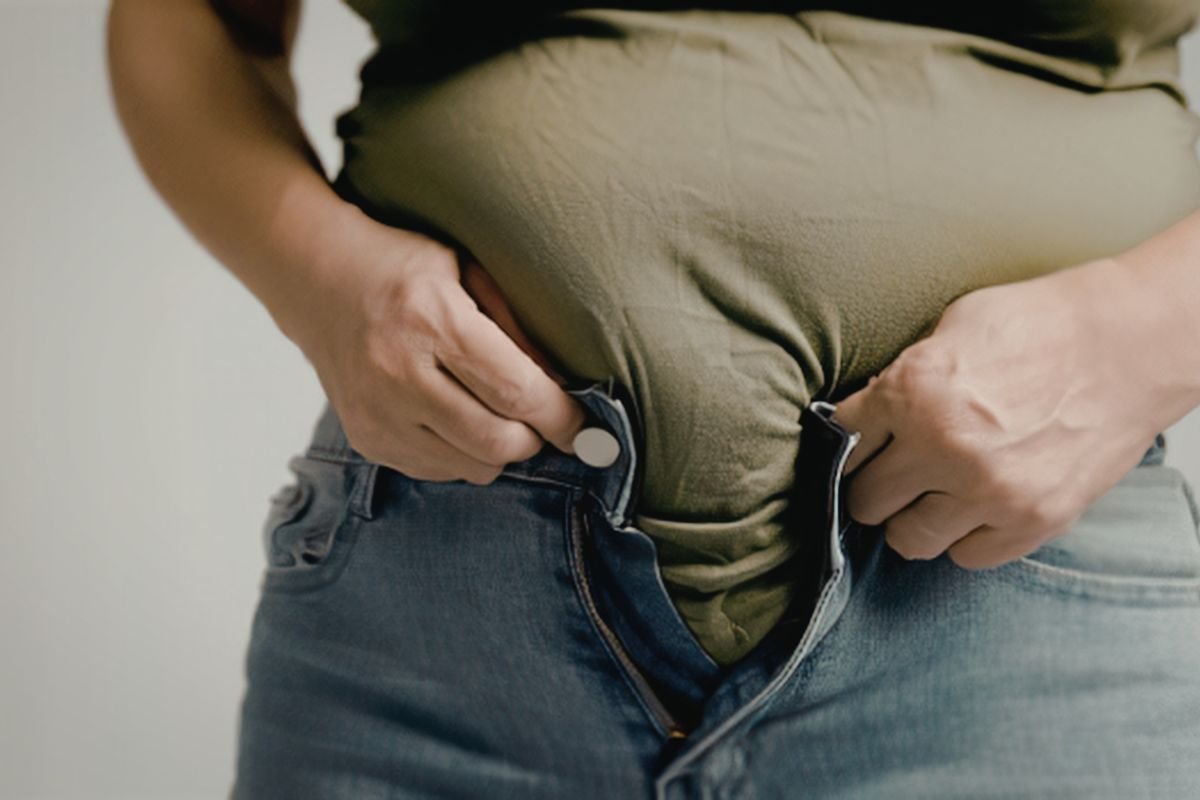
Struggling with menopause bloating? Learn why your stomach suddenly looks swollen, what helps menopause bloat, natural remedies, supplements, and expert-backed tips.
One day my jeans fit perfectly.
Next, I looked six months pregnant.
I hadn’t changed my diet.
I wasn’t overeating.
I certainly wasn’t pregnant.
Yet by lunchtime my stomach felt tight, swollen, uncomfortable, and noticeably larger than it had that morning.
If you’ve experienced this too, please know you’re not imagining it.
And you’re definitely not alone.
One of the most common yet least talked about symptoms of perimenopause and menopause is bloating. Many women describe looking and feeling pregnant by the end of the day, only for their stomach to appear flatter again the next morning.
It’s confusing.
It’s frustrating.
And for many women, nobody ever warned them it could happen.
Is It Menopause Bloating or Weight Gain?
This is one of the biggest concerns women have.
The good news?
Menopause bloating and weight gain are not the same thing.
Weight gain tends to happen gradually and remains relatively consistent.
Menopause bloating often fluctuates dramatically.
You may:
- Wake up with a flatter stomach
- Feel swollen after eating
- Notice your waistband feels tighter by evening
- Experience days where bloating is much worse than others
This is one reason so many women feel confused about what’s happening to their bodies.
What Does Menopause Bloating Feel Like?
Every woman experiences it differently, but common symptoms may include:
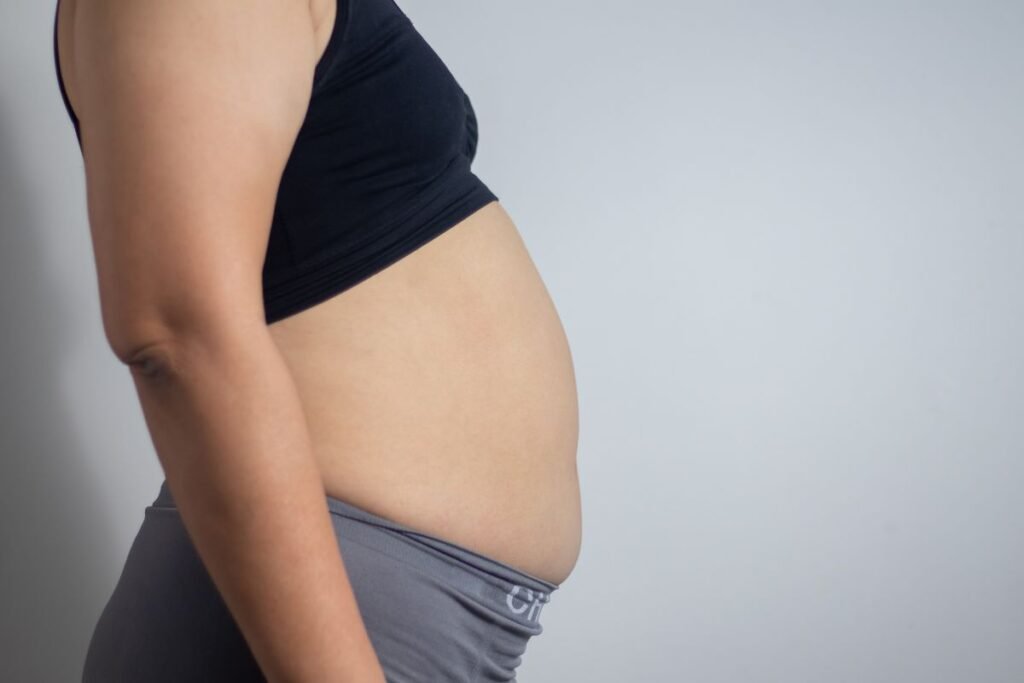
- A swollen or distended abdomen
- Feeling uncomfortably full
- Tightness around the waist
- Trapped wind or gas
- Clothes feeling tighter than usual
- A stomach that appears noticeably larger throughout the day
Many women describe feeling “pregnant” despite not gaining weight.
Sound familiar?
Why Does Menopause Cause Bloating?
Nobody told us this, but hormones don’t just affect hot flushes, mood and periods.
They also affect digestion.
During perimenopause and menopause, fluctuations in oestrogen and progesterone may contribute to:
Water Retention
Changing hormone levels can encourage the body to hold onto fluid, leaving you feeling puffy and swollen.
Slower Digestion
Hormonal changes may affect how quickly food moves through your digestive system.
When digestion slows, bloating often increases.
Changes in Gut Health
Research suggests hormonal changes may influence the balance of bacteria in the gut, which can affect digestion and increase bloating.
Increased Stress
Stress doesn’t just affect your mind.
It affects your gut too.
Increasingly many women notice their bloating becomes worse during stressful periods.
5 Ways to Ease Menopause Bloating Naturally
What Helps With Menopause Bloating?
As much as we would like, there isn’t one magic solution to resolve the symptoms of bloating. Often the relief comes from supporting your body consistently.
5 Ways to Ease Menopause Bloating Naturally
1. Walking After Meals
Even a 10-minute walk has been known to help support digestion and reduce trapped gas.
2. Stay Hydrated
As we know already, drinking more water can help reduce water retention by improving fluid balance allows the body’ to flush its natural excess.
3. Eat More Slowly
Eating quickly often increases the amount of air swallowed during meals, which can increase the risk of bloating.
4. Prioritise Sleep
Poor sleep may increase stress hormones, which can contribute to digestive discomfort.
5. Manage Stress
Gentle exercise, meditation, journaling, and time outdoors can all support gut health indirectly.
Try This Tonight
If you’re feeling bloated this evening, try this simple routine:
✓ Take a 10-minute walk after dinner
✓ Sip a cup of peppermint tea
✓ Avoid lying down immediately after eating
✓ Drink a glass of water before bed
These small habits won’t work overnight, but they can help support digestion over time.
Frequently Asked Questions
How Do I Lose Menopause Bloat?
First, remember that bloating isn’t the same as body fat.
Many women panic because their stomach suddenly looks larger.
The good news is that menopause bloat often responds well to hydration, movement, stress management, better sleep, and supporting gut health.
Consistency usually works better than quick fixes.
Why Do I Get Menopause Bloat After Eating?
Hormonal changes may make digestion more sensitive during perimenopause and menopause.
Large meals, carbonated drinks, highly processed foods, and eating too quickly can all contribute to bloating after meals.
Best Over-the-Counter Supplements for Menopause Bloating?
Some women find relief with:
Always seek advice from your GP, pharmacist, or healthcare professional before starting supplements.
Where Can You Buy Probiotic Products for Menopause Bloating in the UK?
Popular UK options include:
- Boots
- Holland & Barrett
- Optibac
- Bio-Kult
Look for products that support digestive and gut health.
I have personally found this Mix and go with Green Gut Glow by Arbonne has been a huge support with my bloating. It’s a single daily supplement combination for smart nutrition support a double whammy providing less bloat, and glowing skin! Start your day off right with Green Gut Glow featuring three powerhouse supplements that you can combine into a single daily supplement. What’s more it’s vegan friendly, Kosher certified and my favourite gluten free.
Best natural remedies for menopause bloating
- Arbonne’s clean detox infusion blend with Peppermint. This mild, caffeine free, vegan herbal infusion blend features Peppermint, Dandelion, Sweet Fennel, Elderflower, Parsley, and Liquorice plus a refreshing flavour. Formulated without artificial colours, flavours or sweeteners; formulated without high fructose corn syrup, dairy or soy. Formulated without gluten.
- FreshDrinkUS turmeric, cinnamon and Ginger tea has a subtle but packing flavour without additives in biodegradable tea bags. Caffeine free, gluten free, vegan friendly and most importantly, sugar free.
- HANDPICK’s Fennel tea is 100% natural I have enjoyed this teas warming earthy sweet notes this teas is great for cell regeneration a sleep aid, whilst promoting increased blood flow.
- HANDPICK’ s Chamomile tea for its antispasmodic and anti-inflammatory properties to help relax your gut muscle, which allows gas to pass through reducing bloating. It is also calming for the nervous system, which is incredibly helpful if your bloating is triggered by stress.
While herbal teas aren’t a cure, they can be a comforting part of a supportive holistic routine.
What Causes Menopause Bloat and Gas?
Hormonal changes may influence digestion, gut bacteria, and how quickly food moves through the digestive tract.
This can contribute to increased gas, abdominal distension, and feelings of fullness.
What Not To Do During Menopause
When you’re uncomfortable, it’s tempting to try everything.
However, these habits may make symptoms worse:
- Skipping meals
- Crash dieting
- Excessive alcohol
- Ignoring persistent symptoms
- Drastically changing your diet overnight
Your body is adapting to significant hormonal changes, so it deserves support, not punishment.
A Gentle Reminder
If you’ve found yourself standing in front of the mirror wondering what on earth is happening to your body, please know you’re not alone.
Menopause can bring changes nobody prepared us for.
The bloating.
The unpredictability.
The frustration of not recognising your own reflection some days.
But your body isn’t working against you. It’s adapting.
And sometimes the most powerful thing we can do is stop fighting our bodies and start supporting them.
With patience.
With kindness.
And with the understanding that this season won’t last forever.
Because you deserve to feel comfortable in your body again. To help other women who may be experiencing hormonal bloating. Comment below if you have experienced hormonal bloat and what helped you through this we’d love to know.
Follow us on Instagram and Facebook @soleilraskincare for more.
#bloatinginmenopause #womenandbloating #stomachbloatinginmenopause #menopausebloat #menopausebloatbegone #soleilra
*This blog is for informational purposes only and is not intended as medical advice. Please consult a healthcare professional regarding any health concerns or before starting new supplements or treatments.
This article may contain affiliate links to products I have personally used or recommend. If you make a purchase through these links, I may earn a small commission at no extra cost to you.