
Your Complete Guide To Spring Skin Seasonal Changes
-
By Tyesha Lewis
Your skin acting strange this spring? Breaking out, sensitive, or just, off? Here’s why spring wreaks havoc on your skin, and the simple natural fixes that actually work to get your glow back fast.
As the first daffodils emerge and days grow longer, you might notice your skin behaving differently. Perhaps it’s more sensitive, breaking out unexpectedly, or looking dull despite the brighter weather. You’re not imagining it, spring brings real changes to your skin that require a thoughtful shift in your skincare approach.
Understanding these seasonal transitions helps you adapt your routine naturally, supporting your spring skin through this period of change rather than fighting against it.
Key Questions We’ll Answer:
- What happens to your skin in spring?
- What does a spring skin tone look like?
- Why is my skin worse in spring?
- What does B12 acne look like?
- How to create the perfect spring skincare routine?
What Happens to Your Skin in Spring?
Spring triggers several significant changes in your skin, influenced by shifting weather patterns, increased UV exposure, and even hormonal fluctuations tied to longer daylight hours.
Spring triggers several significant changes in your skin, influenced by shifting weather patterns, increased UV exposure, and even hormonal fluctuations tied to longer daylight hours.
Environmental Shifts
After months of central heating and cold, dry air, spring brings increased humidity and temperature fluctuations, these environmental changes directly impact skin barrier function and sebum production.
Key spring skin changes:
- Increased oil production as temperatures rise
- Higher pollen counts triggering sensitivity and inflammation
- More UV exposure as you spend time outdoors
- Fluctuating humidity levels causing dehydration
- Skin barrier adjustment from winter protection mode to spring renewal
Your skin essentially needs to recalibrate. The thick, protective barrier it built during winter now faces warmer, more humid conditions. This transition period can leave skin feeling confused, sometimes oily, sometimes tight, often more reactive than usual.
Cellular Activity Increases
Interestingly, research suggests that skin cell turnover naturally increases in spring and summer months. This means your skin is working harder to shed dead cells and generate fresh ones, which can initially lead to congestion if those cells aren’t properly cleared away.
For women over 40, this seasonal boost in cellular activity is actually beneficial embrace it by supporting your skin’s natural exfoliation process rather than over-treating it.
What Does a Spring Skin Tone Look Like?
Spring skin tone isn’t about colouring, it’s about quality and radiance. After winter’s dullness, spring skin should gradually reveal:
Healthy spring skin characteristics
- A natural, fresh glow from increased circulation
- Even tone as vitamin D production improves
- Balanced hydration showing plumpness without greasiness
- Reduced winter redness as indoor heating exposure decreases
- Subtle warmth as blood flow increases with temperature
However, the transition doesn’t happen overnight. You might experience a few weeks where your skin looks patchy, shows uneven texture, or appears more congested than usual. This is completely normal as your skin adjusts.
Spring Skin Across Different Tones
Fair skin may show increased redness and sensitivity as UV exposure increases. You might notice freckles becoming more visible and a tendency toward pink undertones. Focus on gentle, soothing ingredients like chamomile and calendula, and never skip SPF.
Medium skin tones often experience the most dramatic shift, with winter greyness giving way to a healthy glow. However, you might also notice increased pigmentation or uneven patches. Vitamin C from natural sources like Kakadu plum and rosehip oil helps maintain even tone.
Deeper skin tones may see ashy skin fade as hydration improves, revealing your skin’s true radiance. Spring is an excellent time to address any hyperpigmentation from winter with gentle brightening ingredients like liquorice root extract and niacinamide from natural sources.
Why Is My Skin Worse in Spring?
If your skin seems angry despite the lovely weather, you’re experiencing a common phenomenon. Several factors contribute to spring skin struggles.
Pollen and Allergens
Spring allergies aren’t just about sneezing. Histamine responses to pollen can manifest as skin inflammation, redness, and sensitivity, even if you don’t have traditional hay fever symptoms.
Signs of pollen-related skin issues:
- Increased redness, especially on cheeks
- Itchiness without obvious cause
- Small bumps or rough texture
- Sensitivity to products that normally work well
- Puffy, irritated eyes affecting the surrounding skin
The Spring Purge
As temperatures rise, your pores expand and sebum becomes less viscous, more likely to flow freely. Combined with increased cell turnover, this can lead to what many call a “spring purge,” breakouts as congestion from winter finally surfaces.
This isn’t necessarily bad. It’s your skin clearing out. However, it’s crucial not to over-treat it, which can damage your barrier and make things worse.
Hormonal Fluctuations
Research indicates that increased daylight affects hormonal balance, including cortisol rhythms and vitamin D production. For women over 40, particularly those in perimenopause, these shifts can temporarily affect skin behaviour.
Hard Water and Vitamin Overload
Here’s something rarely discussed if you’ve been taking vitamin supplements through winter, spring is when excess can manifest. This brings us to an important topic.
What Does B12 Acne Look Like?
B12 acne, or acne triggered by excess vitamin B12, presents differently from typical hormonal or bacterial acne. High B12 levels can alter skin bacteria behaviour, leading to breakouts.
Identifying B12-related breakouts
- Inflamed, red papules (raised bumps) rather than blackheads or whiteheads
- Often appears on cheeks, chin, and jawline
- May come on suddenly if you’ve recently started B12 supplements
- Doesn’t respond to typical acne treatments
- Often accompanied by other small bumps or rough texture
If you suspect B12 acne, check your supplement intake. Many multivitamins contain far more B12 than needed, and if you’re also consuming fortified foods, you might be getting excessive amounts.
Natural solutions
- Review your supplements with a healthcare provider
- Focus on getting B vitamins from whole foods
- Support your skin barrier with gentle, anti-inflammatory ingredients
- Avoid over-treating, aggressive acne products will worsen inflammation
- Give your skin 4-6 weeks to recalibrate once you’ve adjusted B12 intake
Your Complete Spring Skincare Routine
Let’s create a routine that supports your skin through this transitional season, using natural ingredients that work with your skin’s intelligence.
Morning: Fresh and Protected
Step 1: Gentle Cleanse Spring mornings don’t require heavy cleansing. Splash with cool water or use a light micellar water made from rose hydrosol and vegetable glycerin. This removes overnight oils without stripping your adjusting barrier.
Step 2: Balance and Soothe Apply a pollen-protective toner. Chamomile or green tea hydrosols contain natural antihistamines that calm reactivity. Pat onto damp skin, never rub vigorously during sensitive spring weeks.
Step 3: Lightweight Hydration Switch from heavy winter creams to lighter textures. A gel-cream with aloe vera and hyaluronic acid from plant sources provides hydration without heaviness. If your skin still feels dry in cooler mornings, add a few drops of jojoba or squalane oil.
Step 4: Protect Non-negotiable: broad-spectrum mineral SPF. Spring sunshine is deceptively strong, and UV damage accumulates. Choose a formula with zinc oxide and nourishing oils so it doubles as your moisturiser.
Evening: Cleanse and Renew
Step 1: Thorough but Gentle Cleansing Use a plant oil cleanser to remove SPF, pollution, and pollen. Massage gently for 60 seconds, then remove with a warm, damp muslin cloth. Follow with a creamy second cleanse if needed, but many find one thorough cleanse sufficient in spring.
Step 2: Exfoliate (2-3 times weekly) Spring is perfect for gentle exfoliation to support increased cell turnover. Use enzyme masks with papaya or pumpkin, or a fine oat powder mixed with yogurt. Avoid harsh physical scrubs that can irritate pollen-sensitive skin.
Step 3: Address specific concerns
- For brightness: Vitamin C serum from rosehip or sea buckthorn
- For sensitivity: Calendula or chamomile-infused oil
- For breakouts: Tea tree or willow bark extract (natural salicylic acid)
- For pigmentation: Liquorice root or bearberry extract
Step 4: Nourish A medium-weight night cream rich in plant ceramides and fatty acids supports barrier repair. Your skin is working hard to adjust, give it the building blocks it needs.
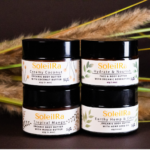
Step 5: Body Care Don’t forget your body. After showering, apply a natural body butter like SOLEILRA’s nourishing formula while skin is slightly damp. Spring is when you start showing more skin, and smooth, hydrated arms and legs feel wonderful.
Weekly Treatments
Sunday Reset Mask Once weekly, use a purifying clay mask. Kaolin or bentonite clay with added honey gently draws out impurities without over-drying. Leave for 10 minutes maximum, and apply to damp skin to prevent excessive tightening.
Wednesday Glow Boost Midweek, treat yourself to a brightening mask. Mash strawberries with oats and a drizzle of honey. The natural fruit acids gently resurface while antioxidants protect against environmental stress.
Spring Skincare for Different Concerns
For Sensitive Spring Skin
- Keep routines minimal, fewer products mean less potential for reaction
- Choose fragrance-free, simple formulations
- Apply a thin layer of calendula balm over moisturiser for extra protection
- Keep skincare products cool (not cold) to soothe inflammation
- Avoid trying new products during high-pollen weeks
For Combination Spring Skin
- Use different products for different zones if needed
- Lighter gel-creams for oily areas, richer creams for dry patches
- Clay masks only on congested areas, hydrating masks on dry zones
- Jojoba oil works beautifully as it balances rather than adds oil
For Mature Spring Skin
- Embrace the increased cell turnover, your skin is renewing itself
- Support this with gentle vitamin A from rosehip or bakuchiol
- Facial massage boosts circulation and lymphatic drainage
- Neck and décolletage need the same care as your face
- Hydration is key, layer lightweight products rather than one heavy cream
Supporting Spring Skin From Within
Your spring skincare routine extends beyond what you apply topically.
- Fresh spring greens provide vitamin K for reduced redness
- Berries offer antioxidants to combat increased UV exposure
- Omega-3 from flaxseeds and walnuts support barrier function
- Hydration from water-rich fruits like cucumber and melon
- Probiotic foods support skin microbiome balance
Lifestyle adjustments
- Open windows for fresh air but be mindful of pollen counts
- Exercise outdoors for vitamin D but cleanse thoroughly afterward
- Manage stress, spring can be surprisingly hectic with seasonal demands
- Sleep quality improves with longer daylight; use this to your advantage
When to Seek Professional Advice
While seasonal skin changes are normal, certain symptoms warrant professional attention:
- Severe, painful cystic acne that doesn’t improve
- Extreme sensitivity or allergic reactions
- Sudden onset of rashes or hives
- Persistent redness that worsens despite gentle care
- Any concerning changes in moles or skin texture
The NHS and private dermatologists can help determine if your spring skin issues are seasonal or indicate something requiring treatment.
Embracing the Season
Spring skin changes are your body’s way of adapting to a new season. Rather than fighting this natural process, work with it. Be patient during the transition weeks, gentle with your approach, and consistent with your routine.
The awkward in-between phase passes. By late April or early May, your skin will have adjusted, revealing that fresh spring glow that comes from healthy, balanced skin meeting warmer, brighter days.
This is also the perfect time to reassess what your skin truly needs. Perhaps that heavy winter cream can be retired until November. Maybe your skin is telling you it needs more hydration or less active ingredients. Listen to these signals, your skin knows what it needs.
Spring is nature’s season of renewal. Let your skincare routine reflect that same energy with fresh, natural, supported skin, full of promise for the brighter months ahead.
You don’t need more steps. You need the right ones.
And remember, when you invest in high-quality, natural body butters with nourishing ingredients, you’re supporting your skin’s natural ability to Nourish, Protect and Glow all year round.
You are invited to join our Glow & Nourish Club community of “Glow Getters” of people who value age-positive natural skincare. At SOLEILRA we create natural body butters with organic ingredients that simplify skincare for women who want to glow naturally without chemicals, complexity, or compromise.
#SpringSkin, #SpringSkinRoutine #BodyButter #AgePositive #SoleilraSkincare #DrySkin